 07968 986882
  info@saunaplus.co.uk
Most people can picture a traditional sauna without much prompting: a hot wooden room with heated stones and a ladle of water at the ready. Far fewer have heard of a bio sauna, and the name does little to explain what sets it apart.
If you are weighing up a sauna for your home and have come across the term, this guide explains what a bio sauna actually is, how it works and how it compares to the traditional experience, so you can decide which one suits you.
What Is A Bio Sauna
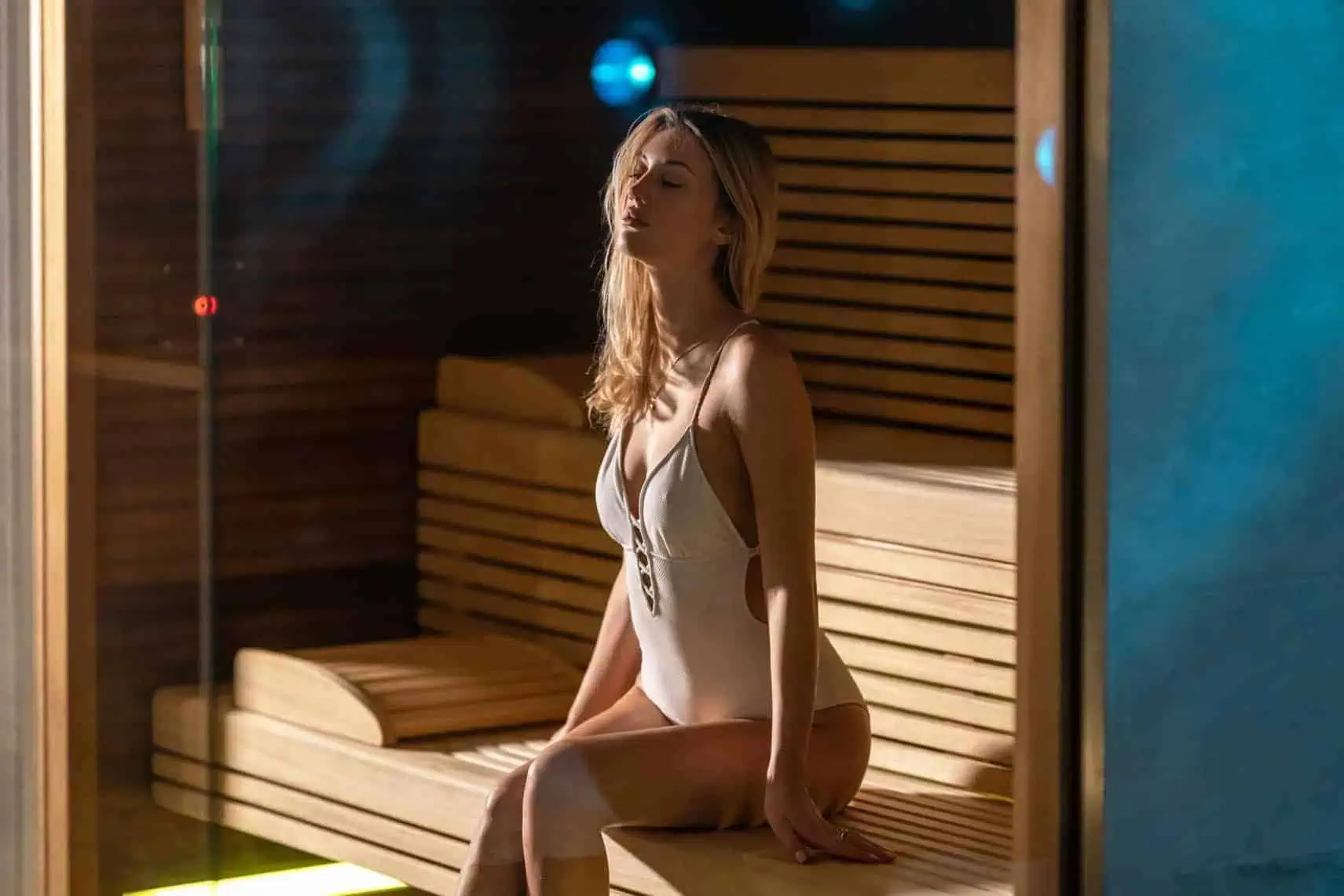
A bio sauna is a gentler style of sauna that combines lower heat with higher humidity than a traditional sauna, creating a milder and more comfortable environment. Where a traditional sauna can feel intense, a bio sauna offers a softer, more enveloping warmth that many people find easier to relax in and to stay in for longer.
Temperatures typically sit somewhere around 45 to 60 degrees Celsius, noticeably cooler than a traditional sauna, while humidity is kept higher and more consistent. The result is often described as a more accessible sauna experience, and it is a popular choice for anyone who likes the idea of a sauna but finds fierce, dry heat unappealing.
How A Bio Sauna Works
The gentler climate of a bio sauna is not an accident. It comes down to the heater and, crucially, the controller that manages the balance of temperature and moisture. Rather than simply heating a room as hot as possible, a bio sauna heater works alongside a control system to hold a lower temperature while introducing and maintaining humidity.
The heaters and controllers working behind the scenes are what make this precise, comfortable climate possible, and they are a large part of what separates a bio sauna from its traditional counterpart.
What Is A Traditional Sauna?
A traditional sauna is the classic, and the one most people picture. A heater warms a bank of stones until the room fills with dry heat, and you can soften that heat by pouring water over the stones to release short bursts of steam. Temperatures run high, often somewhere between 70 and 100 degrees Celsius, and the humidity stays low unless you add water. It is an intense, invigorating experience, and for many people that intensity is precisely the appeal.
The Key Differences Between A Bio Sauna And A Traditional Sauna
With both types in mind, the differences fall into a handful of areas that actually matter when you are choosing.
Temperature
This is the headline difference. A traditional sauna runs hot, while a bio sauna is deliberately milder. If high heat is something you enjoy, traditional delivers it. If it puts you off, bio is far more forgiving.
Humidity
A traditional sauna is essentially dry, with steam added on demand. A bio sauna maintains a higher, steadier level of humidity throughout the session, which is a large part of why the warmth feels softer and more enveloping.
The Feel Of A Session
A traditional session is intense and stimulating, the kind of heat you feel the moment you step in. A bio session is calmer and gentler, closer to a warm, humid embrace than a blast of heat. Neither is better, they are simply different sensations.
Session Length And Comfort
Because it is gentler, a bio sauna often suits longer, more relaxed sessions, making it a good fit for anyone who wants to unwind slowly. A traditional sauna tends to lend itself to shorter, more intense sessions.
Who Each One Suits
In short, a traditional sauna suits those who want the authentic, high heat ritual, while a bio sauna suits those who want the benefits of a sauna in a milder, more comfortable form.
Which One Is Right For You?
The honest answer is that it depends entirely on you. If you love strong, dry heat and the ritual of pouring water over hot stones, a traditional sauna is likely to be your natural home. If intense heat has always put you off, or you simply prefer a gentler, longer session, a bio sauna may be the one that finally wins you over.
If you are still torn, it is worth knowing that these are not the only two options. Our full range of home saunas also includes infrared, a third style that warms the body directly and sits differently again, so there is no need to force a choice between just two.
Designing The Right Sauna For Your Home
Choosing between bio and traditional is really only the first decision. From there, the wood, the layout, the size and the finishing touches all shape the sauna you end up with, and getting them right is what turns a good sauna into one that genuinely fits your home and the way you will use it. That is where we come in.
You can read more about who we are and how we work, including the consultation and design process that guides you through every one of these choices.
Ready To Explore Your Options?
Whether you are drawn to the intensity of traditional or the gentle warmth of bio, the best next step is to talk it through with people who install both. When you are ready, book a consultation and we will help you find the sauna that suits you best.

 info@saunaplus.co.uk